Experience Center

Strategic direction of a multi-step industrial innovation space used for demos, workflows, and partner engagement

2026
Context

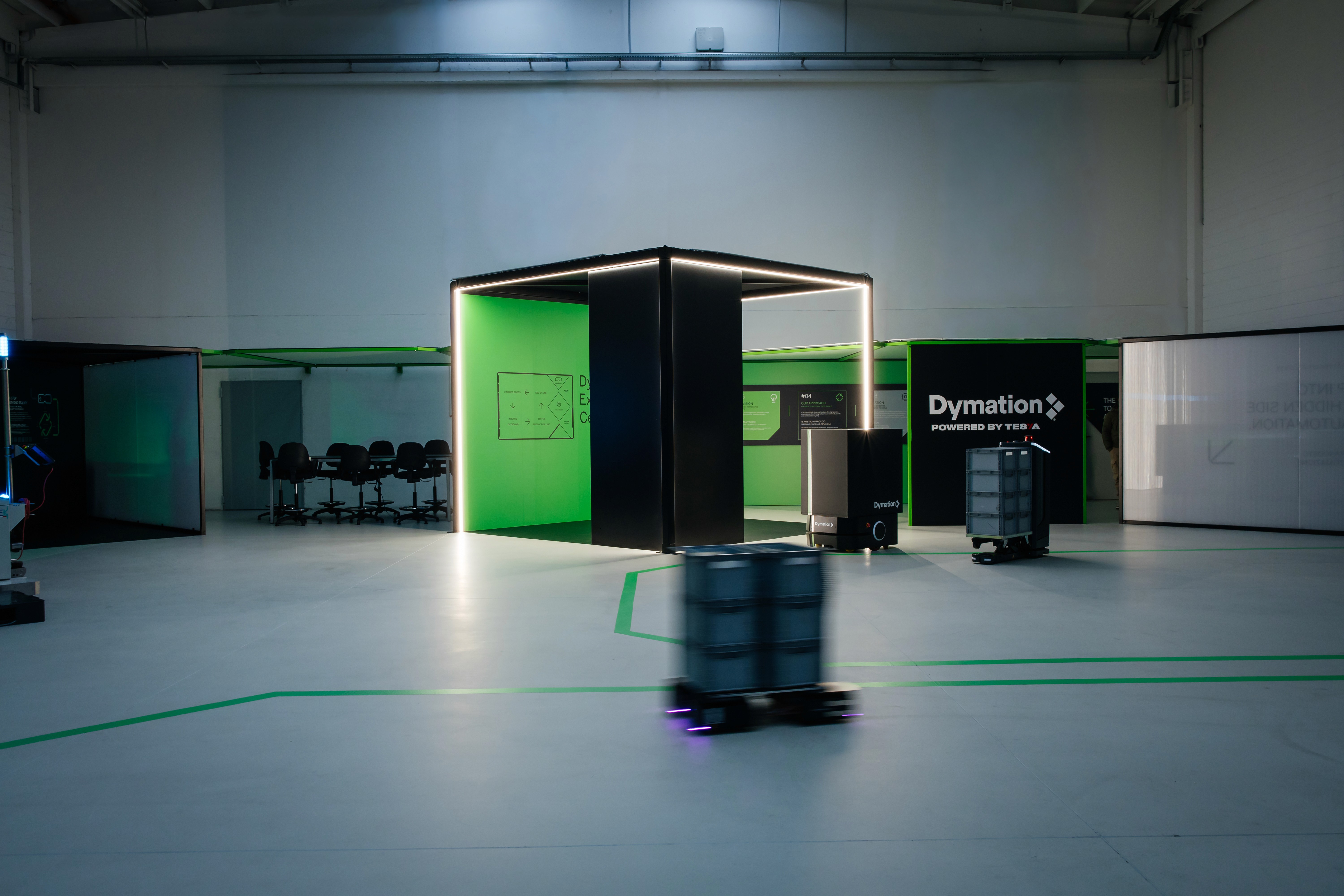
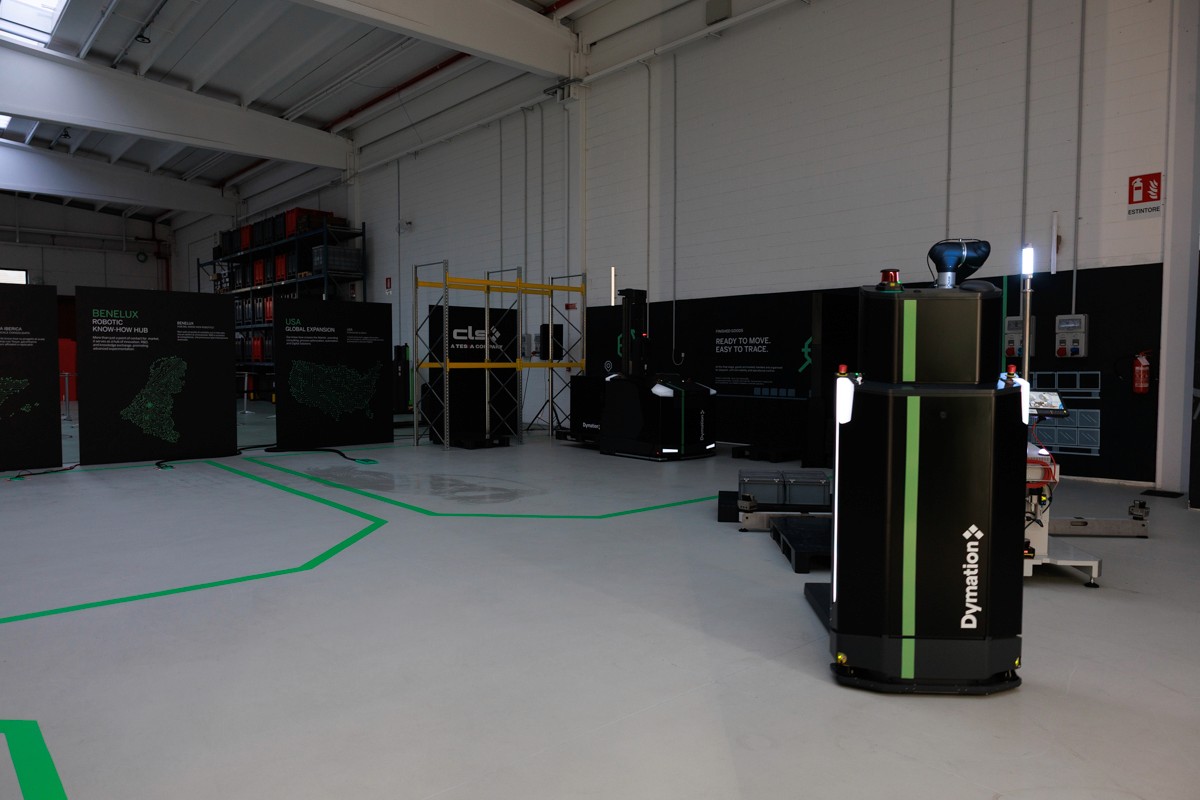
The Dymation Experience Center is an advanced demonstration environment inside the Tesya group and the Dymation – CGT Logistica Sistemi S.p.A. business unit.
Its goal was to create a coherent, high-impact narrative around automated intralogistics by showing:

  • A realistic, end-to-end operational flow

  • Clear interactions between humans, software, and autonomous robots

  • The business value behind workflows, not just the technology

  • A guided, digestible experience for non-technical audiences

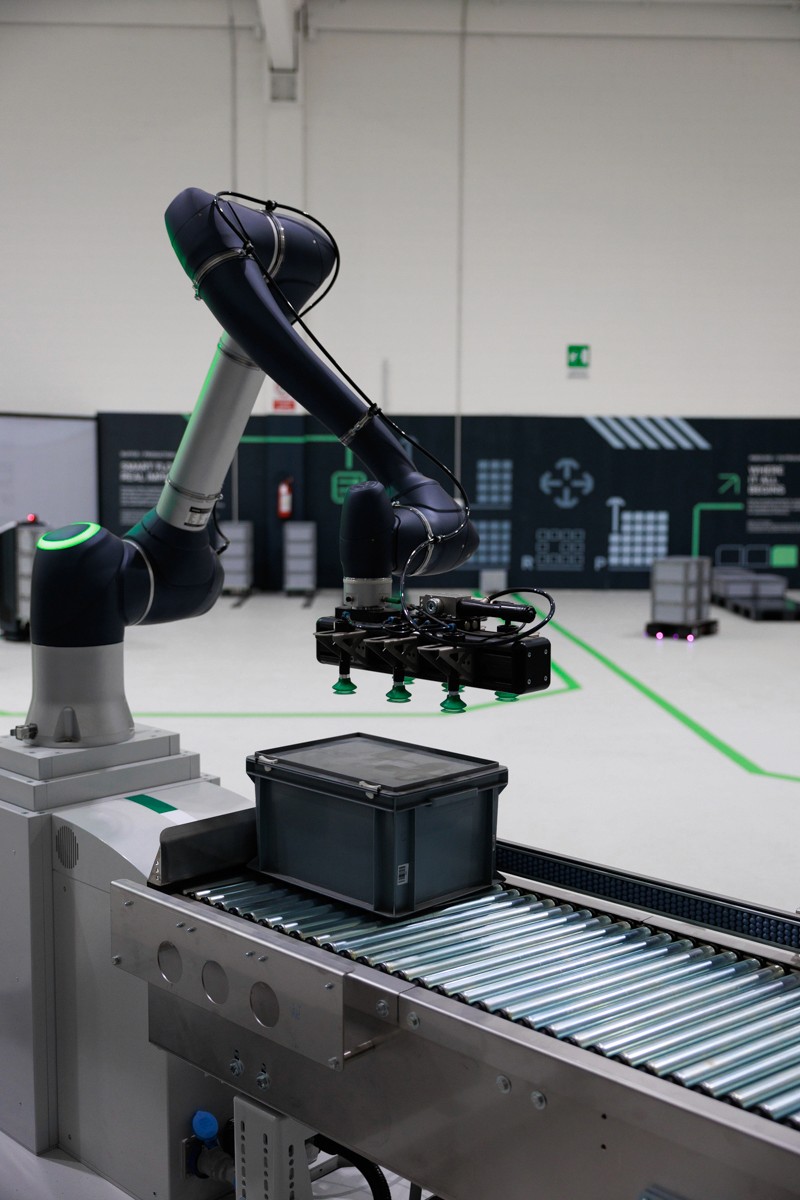
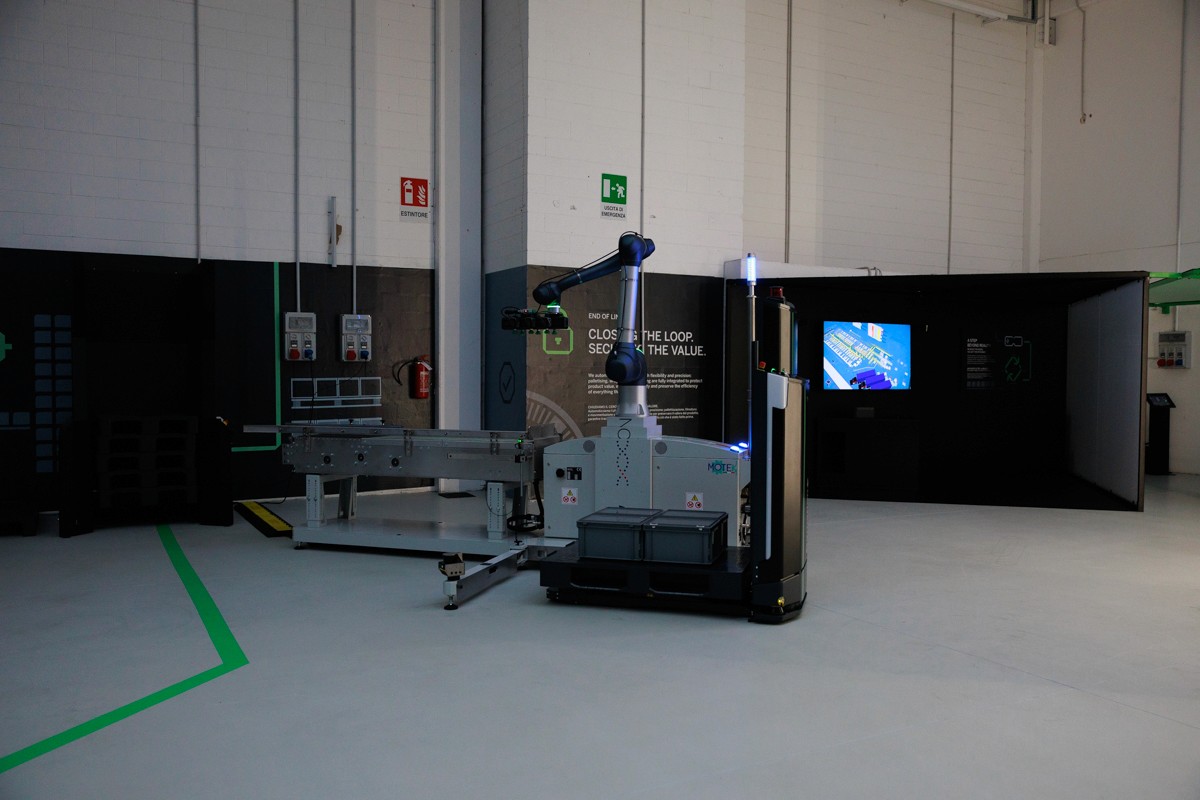
The full demonstration integrates a set of heterogeneous AMRs and tools.
It was crucial to turn this complexity into a unified, meaningful experience.

Context

The Dymation Experience Center is an advanced demonstration environment inside the Tesya group and the Dymation – CGT Logistica Sistemi S.p.A. business unit.
Its goal was to create a coherent, high-impact narrative around automated intralogistics by showing:

  • A realistic, end-to-end operational flow

  • Clear interactions between humans, software, and autonomous robots

  • The business value behind workflows, not just the technology

  • A guided, digestible experience for non-technical audiences

The full demonstration integrates a set of heterogeneous AMRs and tools.
It was crucial to turn this complexity into a unified, meaningful experience.

Problem

Before the redesign, the Experience Center lacked:

  • A clear, structured visitor journey

  • A unified story linking hardware, software, and operations

  • Alignment between engineering, marketing, and management

  • Consistent messaging and terminology across touchpoints

  • A standard demo flow for sales, PR, and partner engagements

The risk: complexity overshadowed the actual value.

The challenge was to create a single, coherent, product-driven narrative that anyone could understand in minutes.

Problem

Before the redesign, the Experience Center lacked:

  • A clear, structured visitor journey

  • A unified story linking hardware, software, and operations

  • Alignment between engineering, marketing, and management

  • Consistent messaging and terminology across touchpoints

  • A standard demo flow for sales, PR, and partner engagements

The risk: complexity overshadowed the actual value.

The challenge was to create a single, coherent, product-driven narrative that anyone could understand in minutes.

My Role

I acted as the end-to-end owner of the Experience Center’s direction and execution.
My responsibilities included:

  • Searching and communicating with Design and Communication companies

  • Defining the strategic vision

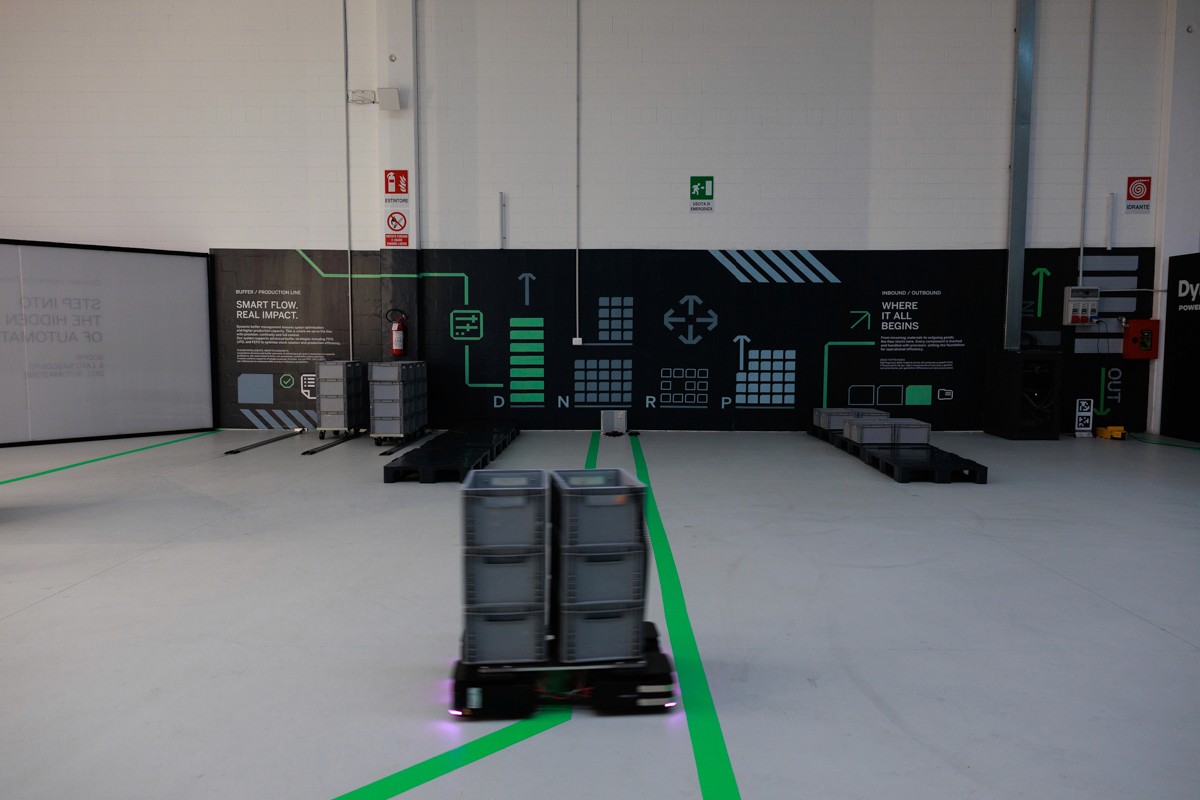
  • Contributing mapping the full operational workflow (Inbound → Buffer/Production → End of Line → Storage → Outbound)

  • Coordinating engineering, product, operations, and marketing teams

  • Contributing in designing the entire visitor journey (physical + digital)

  • Structuring the content for panels, demos, and on-site explanations

  • Ensuring full coherence between environment, software, robots, and storytelling

  • Creating reusable materials for sales, PR, and internal enablement

This was a truly hybrid role: strategic, operational, and experiential.

My Role

I acted as the end-to-end owner of the Experience Center’s direction and execution.
My responsibilities included:

  • Searching and communicating with Design and Communication companies

  • Defining the strategic vision

  • Contributing mapping the full operational workflow (Inbound → Buffer/Production → End of Line → Storage → Outbound)

  • Coordinating engineering, product, operations, and marketing teams

  • Contributing in designing the entire visitor journey (physical + digital)

  • Structuring the content for panels, demos, and on-site explanations

  • Ensuring full coherence between environment, software, robots, and storytelling

  • Creating reusable materials for sales, PR, and internal enablement

This was a truly hybrid role: strategic, operational, and experiential.

The Journey

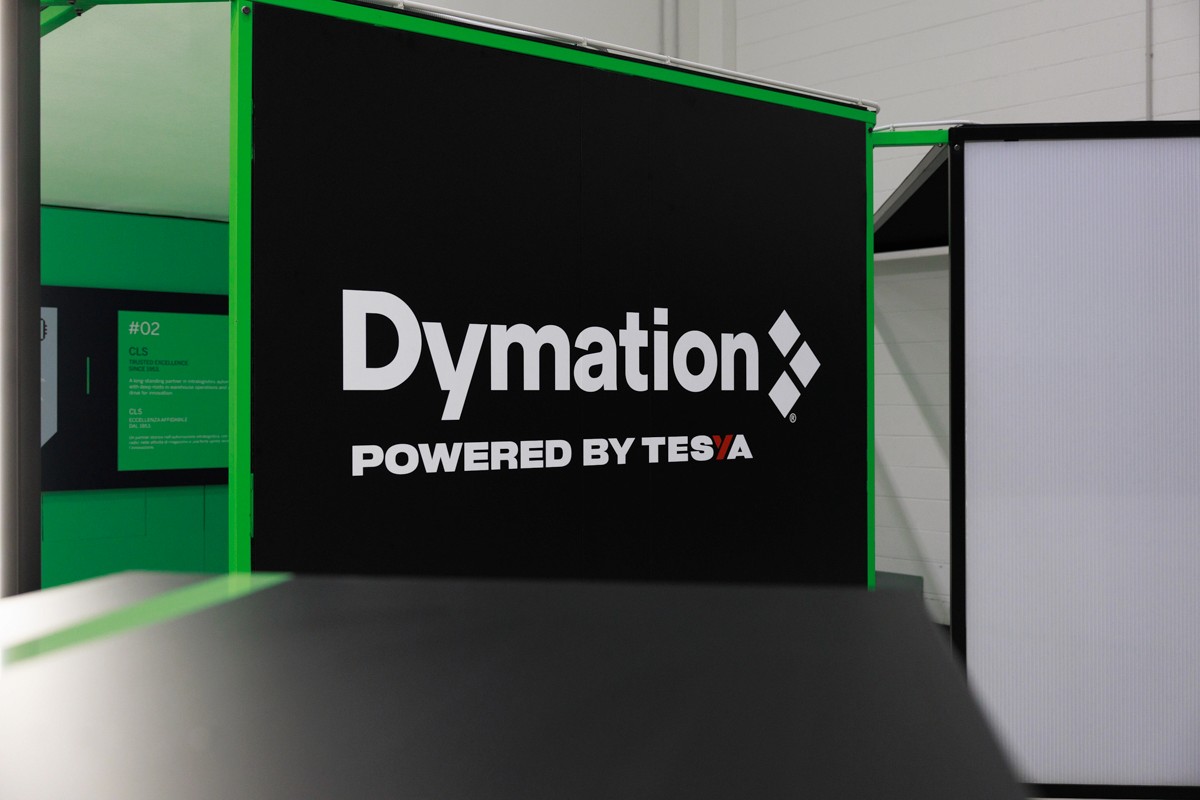
1.

Discovery & Aligment

Goal: Establish a shared north star and clarify what the Experience Center must communicate.

Activities included:

  • Supporting the Design and Communication companies in preliminary activities

  • Identifying the main visitor profiles (journalists, partners, executives, prospects)

  • Clarifying business goals: education, sales enablement, PR visibility

  • Defining key messages and narrative priorities

  • Assessing functional constraints (robot paths, space, safety, timing)

Output:

  • A unified Experience Narrative

  • A clear value communication framework for all audiences
2.

System Mapping & Workflow Design

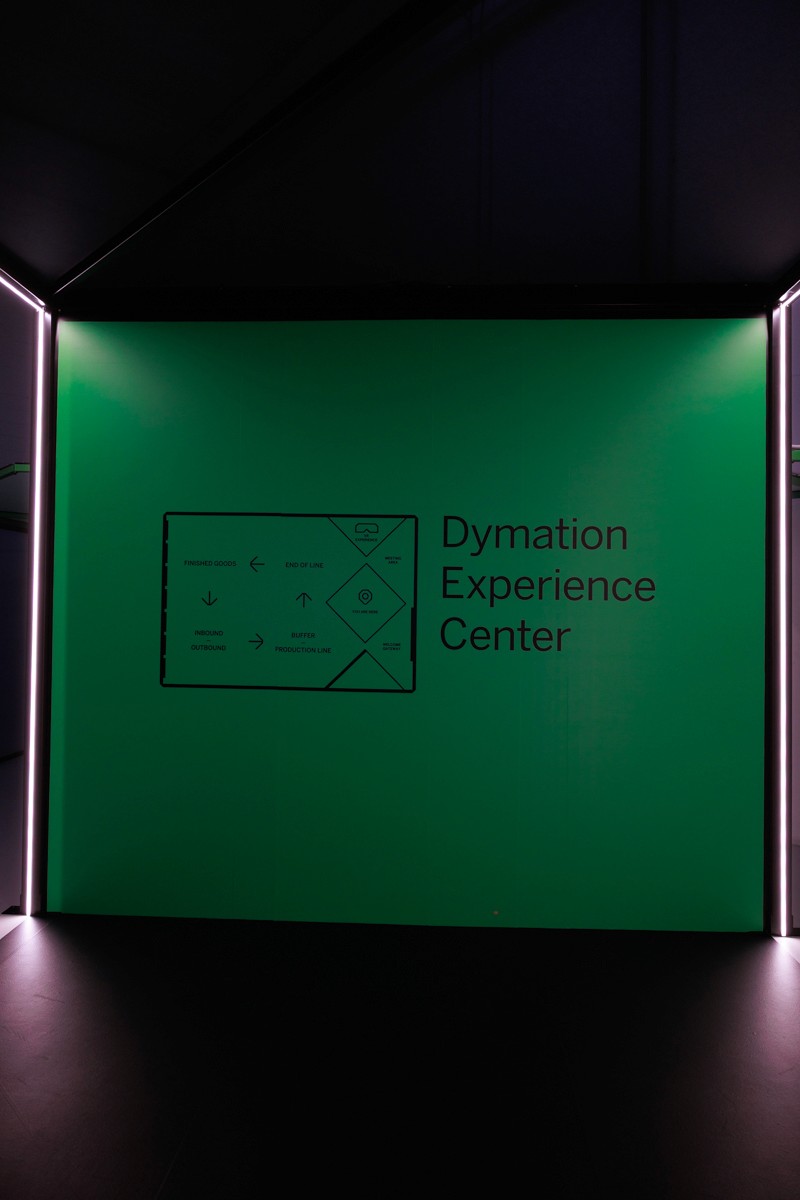
The full operational workflow consists in:

  1. Inbound: receiving and staging materials

  2. Buffer / Production Line: AMR interactions with production logic

  3. End of Line: palletization and transition to storage

  4. Material Storage: stock management and autonomous tasks

  5. Outbound: shipment preparation and flow completion

Key activities

  • Mapping physical zones

  • Coordinating software states with movement and triggers

  • Designing how each zone communicates value

  • Ensuring clarity in mission logic and timing

This step turned a complex system into a linear, digestible narrative.
3.

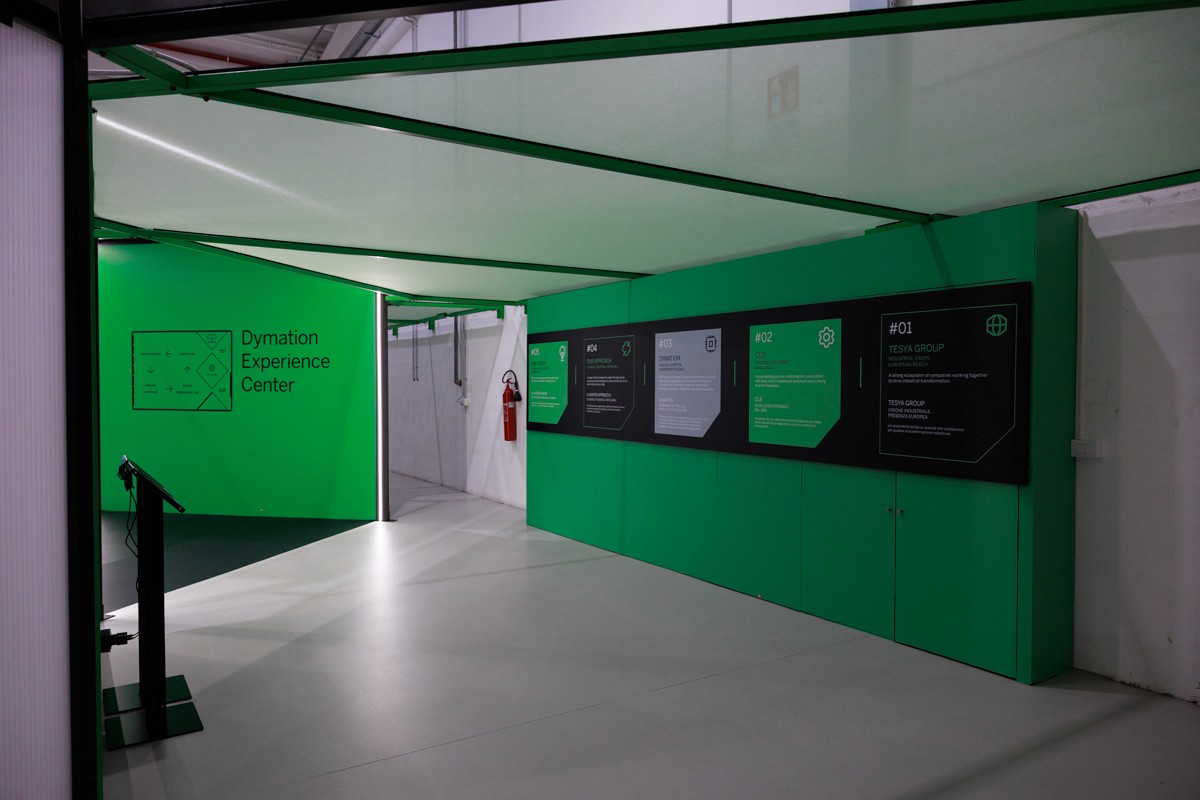
Experience Design

My contribution was in designing:

  • The visitor journey

  • Informational panels and technical storytelling

  • Zone-specific explanations and demo scripts

  • Decision points and “moments of clarity”

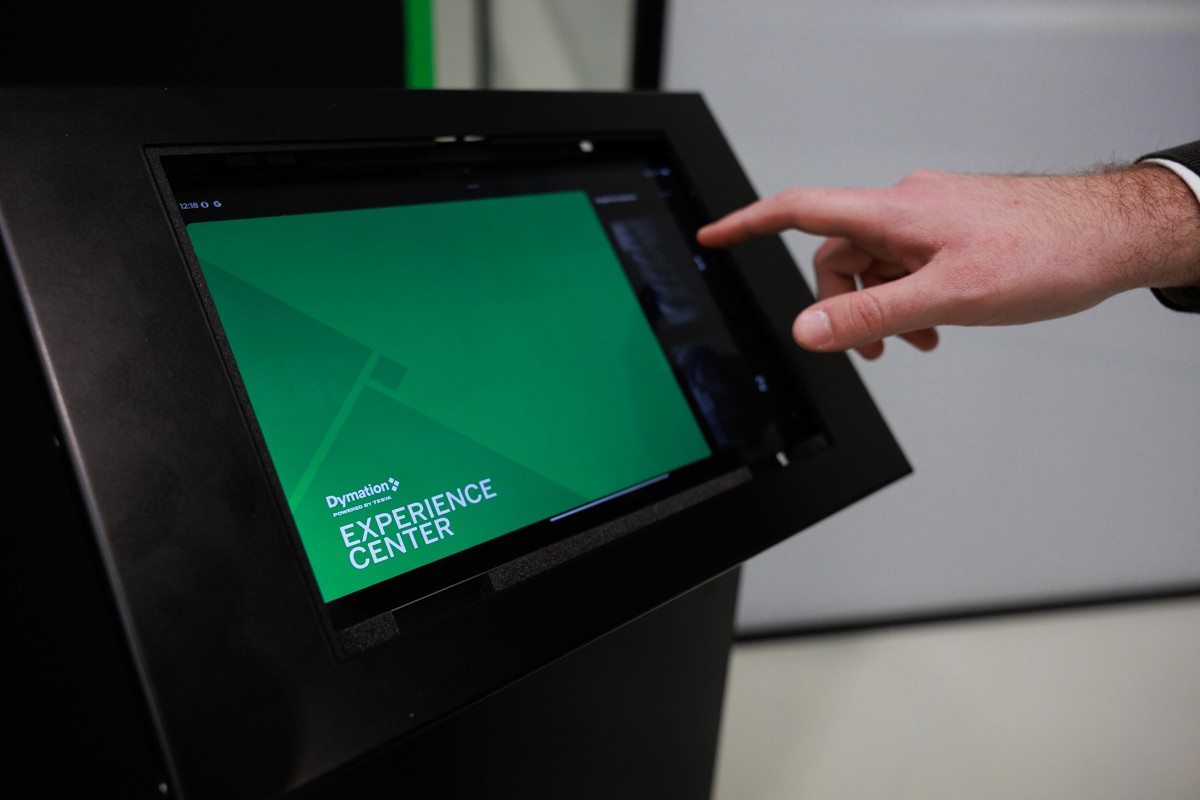
  • The relationship between physical actions and digital feedback

  • The sequencing and pacing of demos

Core principles:

  • No friction: simple, intuitive progression

  • One narrative: unified content across teams

  • System coherence: robots, UI, and panels say the same thing

  • Signal over noise: only relevant information
4.

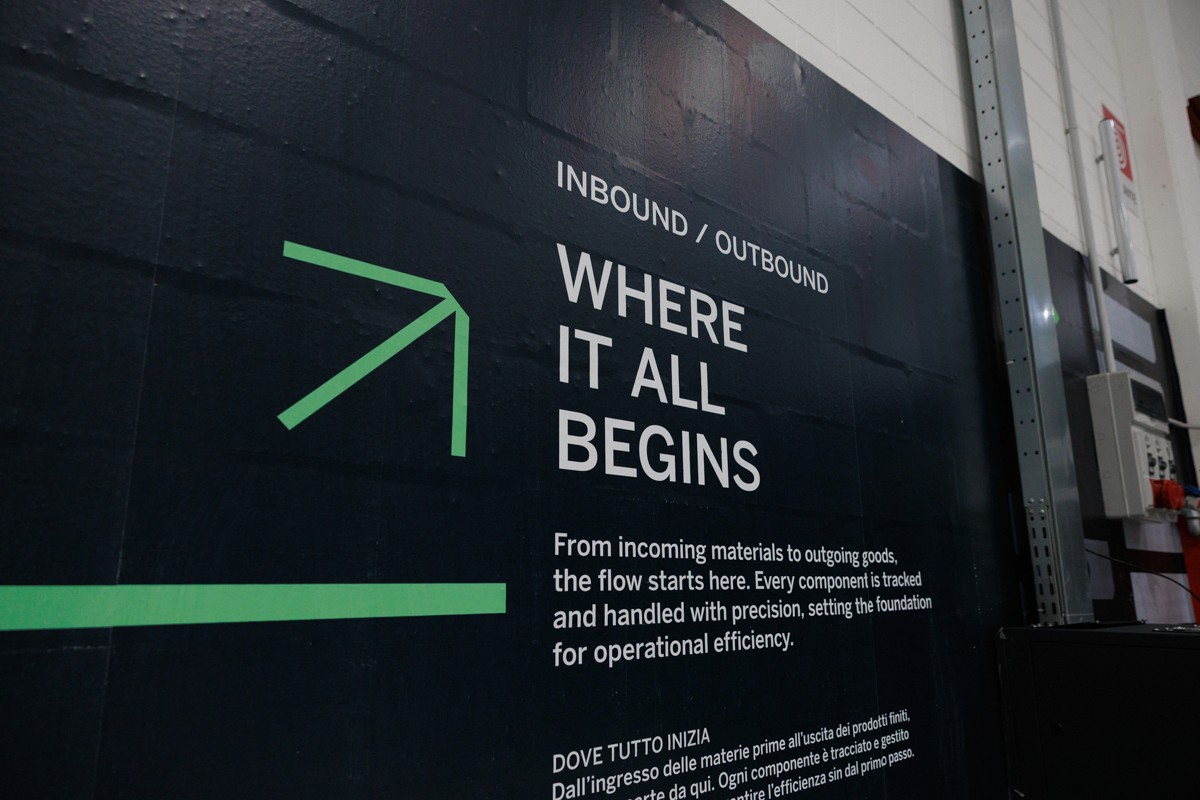
Delivery & Enablement

Final deliverables included:

  • Full experience definition

  • Flow diagrams and zone mapping

  • Standardized demo scripts for sales and technical staff

  • Communication materials

  • A scalable structure ready for expansion for outside events

  • Training for the teams conducting demonstrations

The Experience Center evolved into a repeatable, consistent, and scalable asset for the business.
Outcomes

Strategic Impact

  • A unified narrative for engineering, product, marketing, and leadership

  • Stronger positioning of Dymation within the Tesya group

  • Increased clarity in communicating system value to non-technical audiences

  • A reusable storytelling framework for partners, PR events, and visitors

Operational Impact

  • Faster demo preparation and more predictable execution

  • Reduced variability in how demos were delivered by different staff

  • Clearer understanding of workflows and robot interactions

  • A modular structure that supports future robots and use cases

Experience Impact

  • A guided, intuitive visitor journey

  • A balance of physical, digital, and narrative touchpoints

  • A coherent end-to-end experience that highlights real operations

  • A template that can be replicated for other sites or temporary events
Christian Murano

Christian Murano